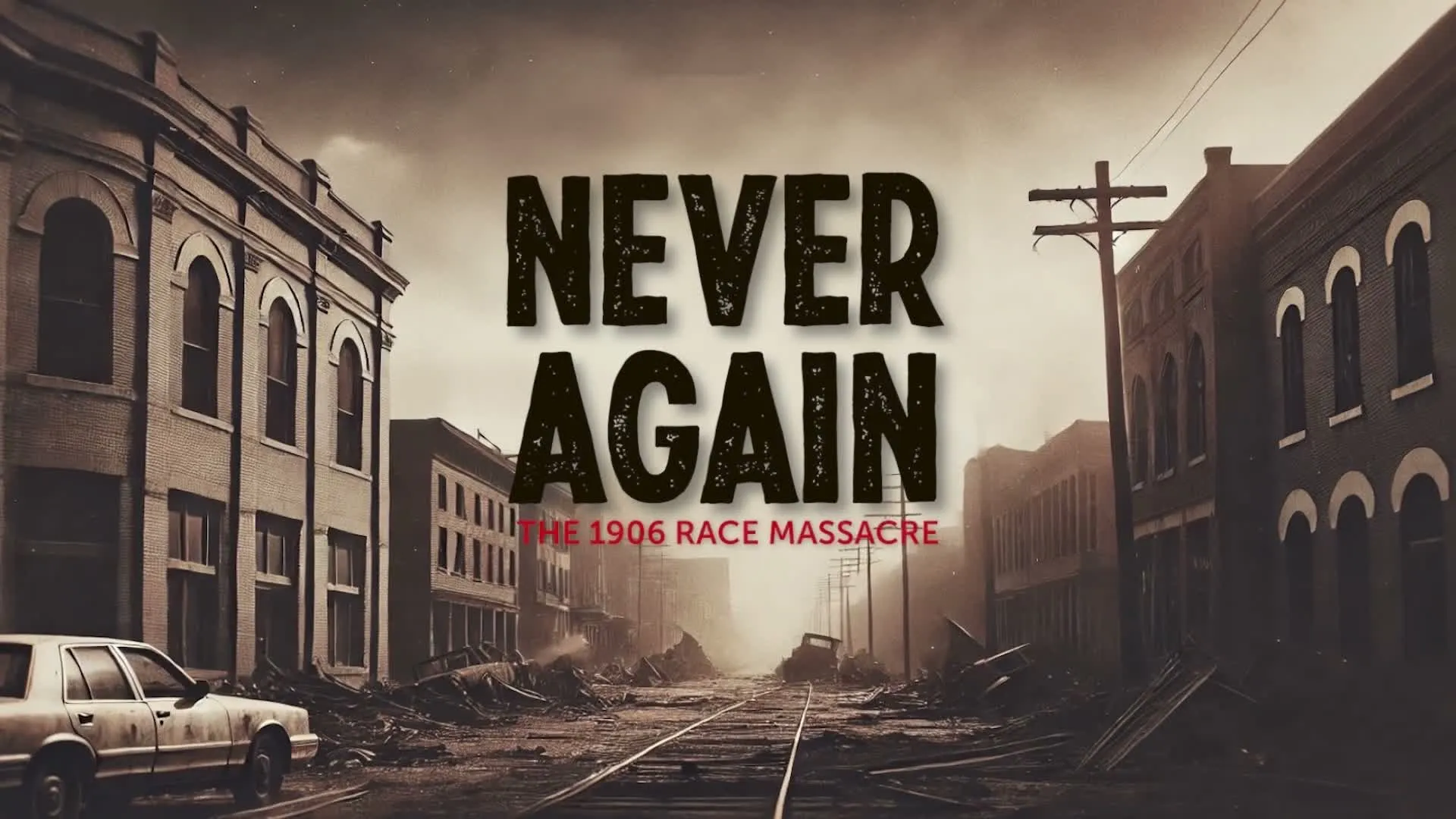
The 1906 Atlanta Race Massacre
Never Again
A documentary by Trent Frank.
World premiere Sep 24, 2026 in Atlanta.
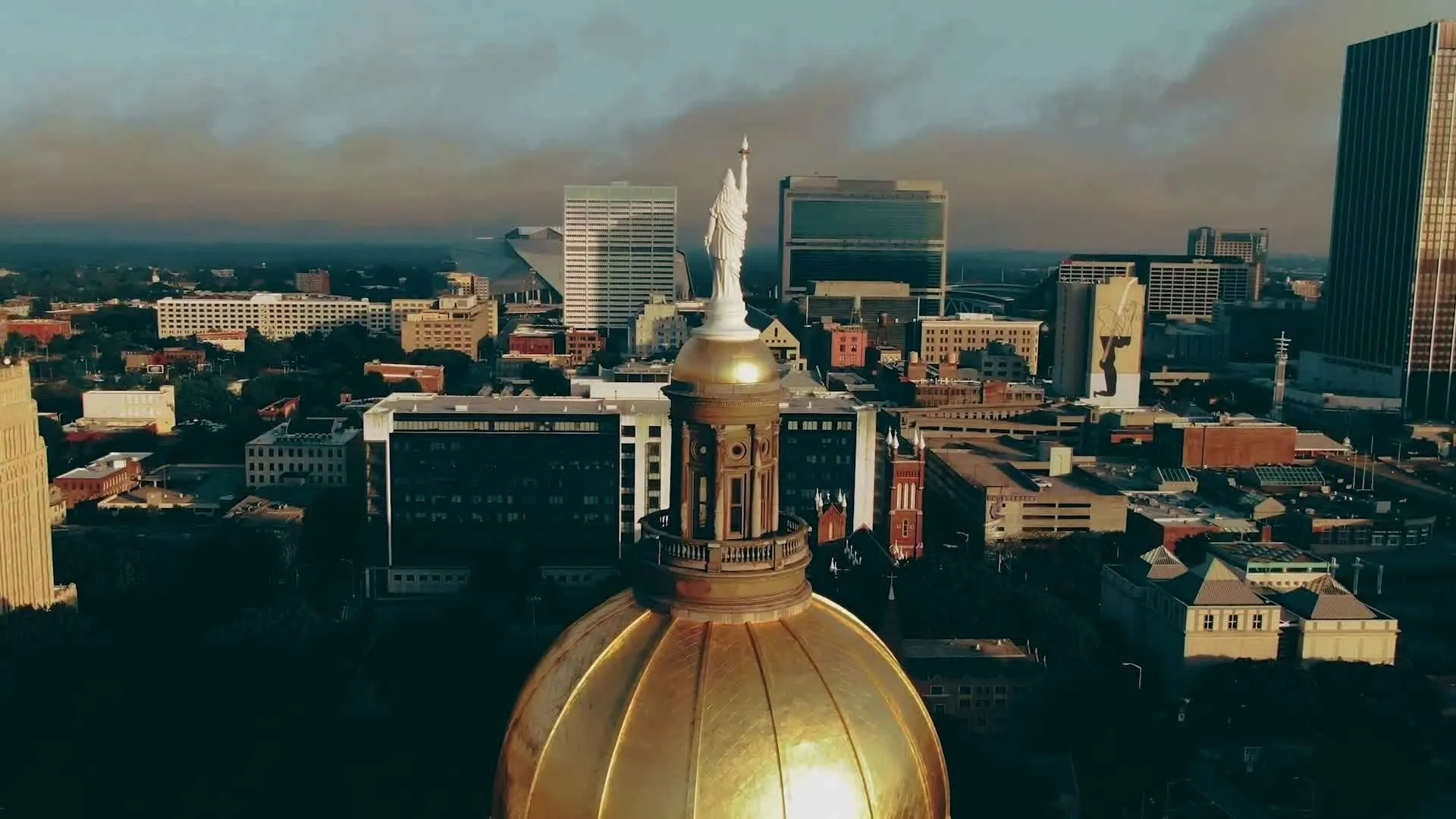
Trailer, 1:47
Official trailer. Courtesy of FrankinSense Productions LLC.
Vimeo loads only when you press play.
The film
Atlanta spent almost a century suppressing this history.
Never Again sets the 1906 Atlanta Race Massacre inside the longer American pattern of white mobs attacking Black communities, then follows what came after: Black leadership, resistance, and a century of argument over whether the city would teach this history or mark the places it happened.
Trent Frank directs. The film was made with the cooperation of the Coalition to Remember the 1906 Atlanta Race Massacre, and it records both of the groups that pushed Atlanta to face this: the coalition formed for the centennial in 2006, and the one working now.
Never Again Will Terror Prevail,
Always Again Will The Resilient Arise!
The film is built from the two halves of that line: what was done to Black Atlanta in 1906, and what Black Atlanta did in answer.
The call
The newspapers
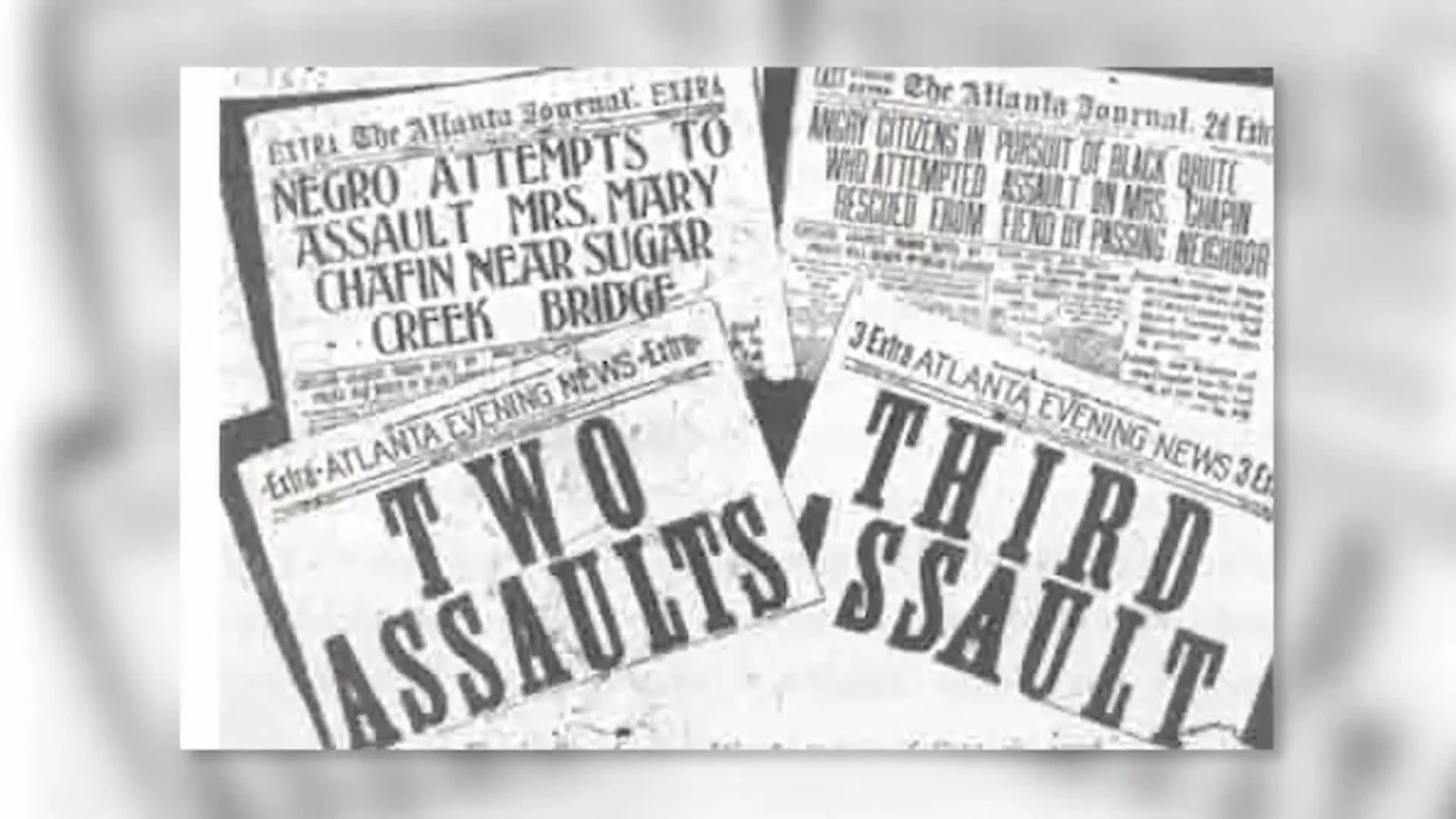
False newspaper stories started it.
On the afternoon of September 22, 1906, Atlanta papers rushed out four special editions claiming Black men had assaulted white women. Not one of the claims was ever substantiated. Each new edition pulled a bigger crowd into downtown.
The four days
At least twenty-five people were killed.
By nine that evening a mob of thousands of white men and boys was attacking Black Atlantans at Five Points, the downtown crossroads. The violence ran four days and reached the Black neighborhoods of Brownsville and Darktown. Nobody ever established how many died.
What was destroyed
The mob went after Black businesses.
It wrecked Alonzo Herndon's barbershop on Peachtree Street, twenty-five chairs and the finest in the South, owned by a man born enslaved. Homes and businesses across Black Atlanta went with it.
The response
What Black Atlanta did
They wrote it down, and they rebuilt.
W. E. B. Du Bois, then teaching at Atlanta University, wrote the poem "A Litany of Atlanta" within three weeks. J. Max Barber, who edited the Black monthly The Voice, was driven out of Atlanta for printing the truth about what had happened. The businesses were rebuilt.
What followed
Then Atlanta stopped talking about it.
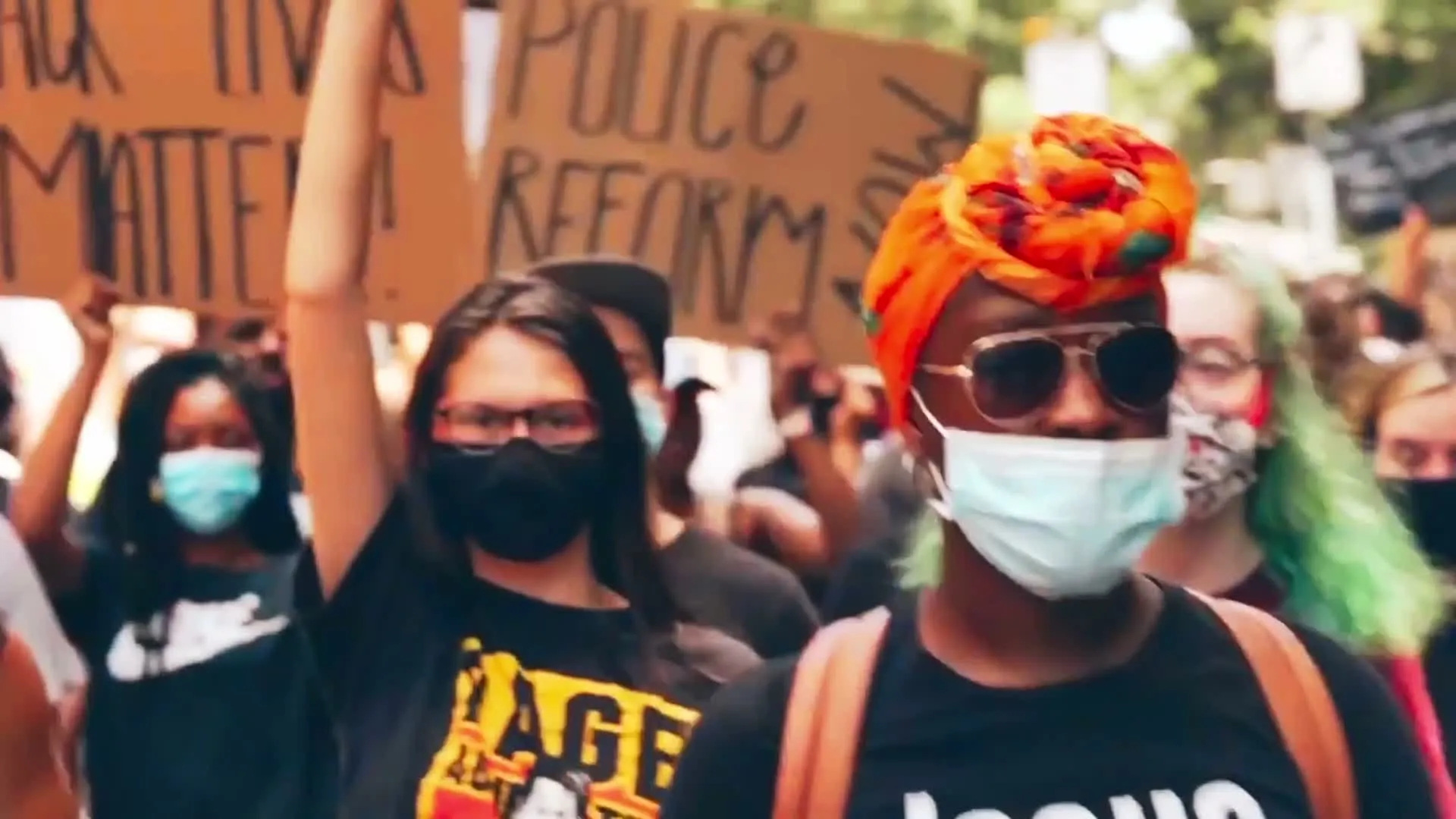
For most of a century the massacre was left out of Georgia classrooms, and nothing marked the places where it happened. A coalition formed for the centennial in 2006 began to change that.
Where it stands now
The city marks it every September.
Remembrance Week runs September 20 to 26, 2026, the 120th anniversary. Descendants of the people who were killed still live in Atlanta and still tell this history. The premiere of Never Again opens the week.
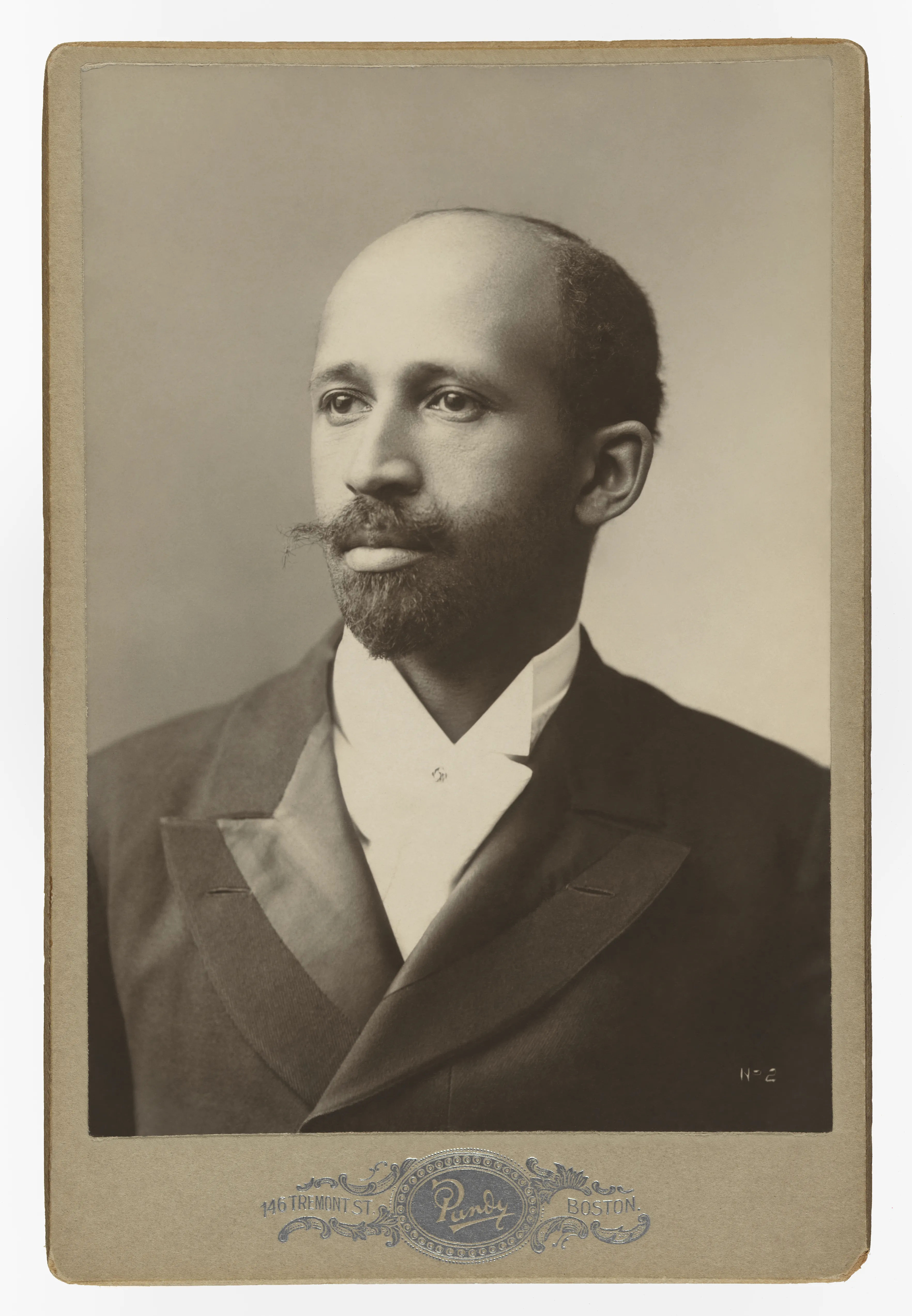
Who appears in it
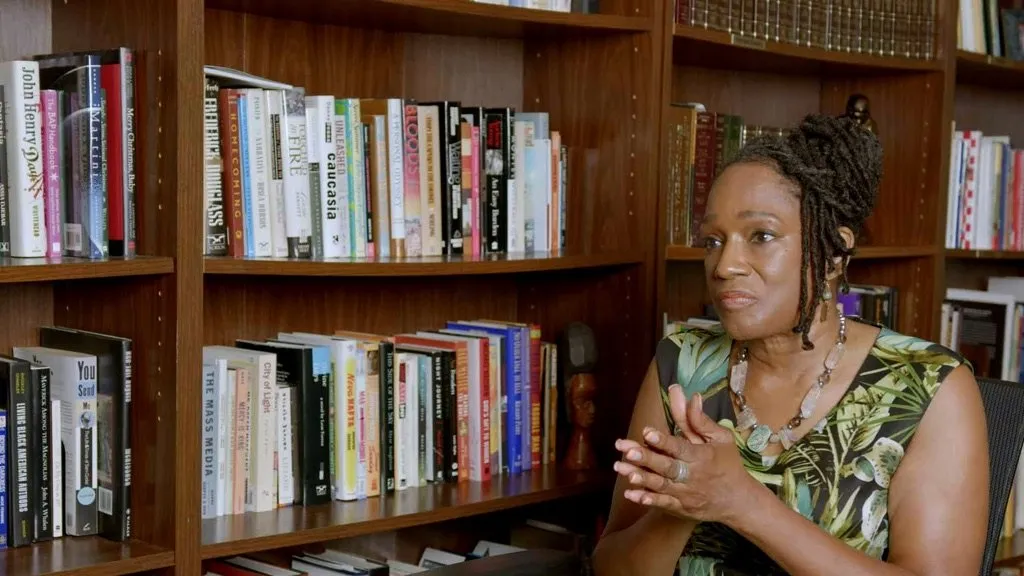
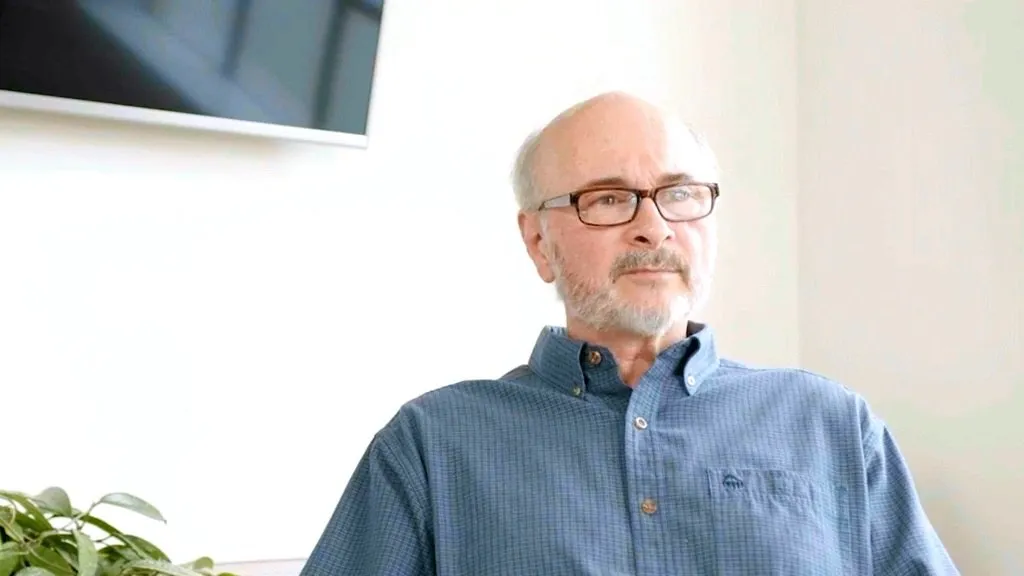
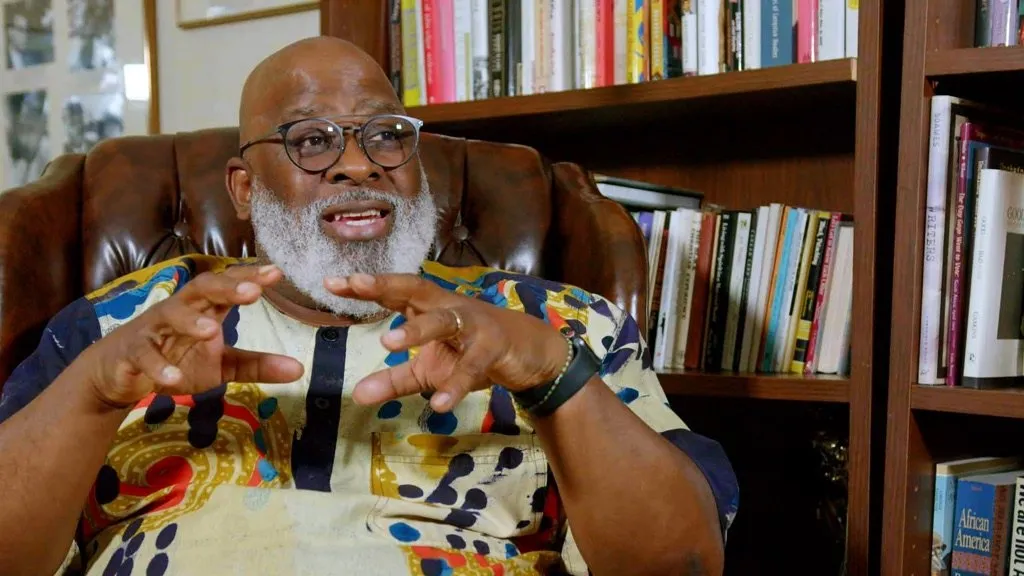
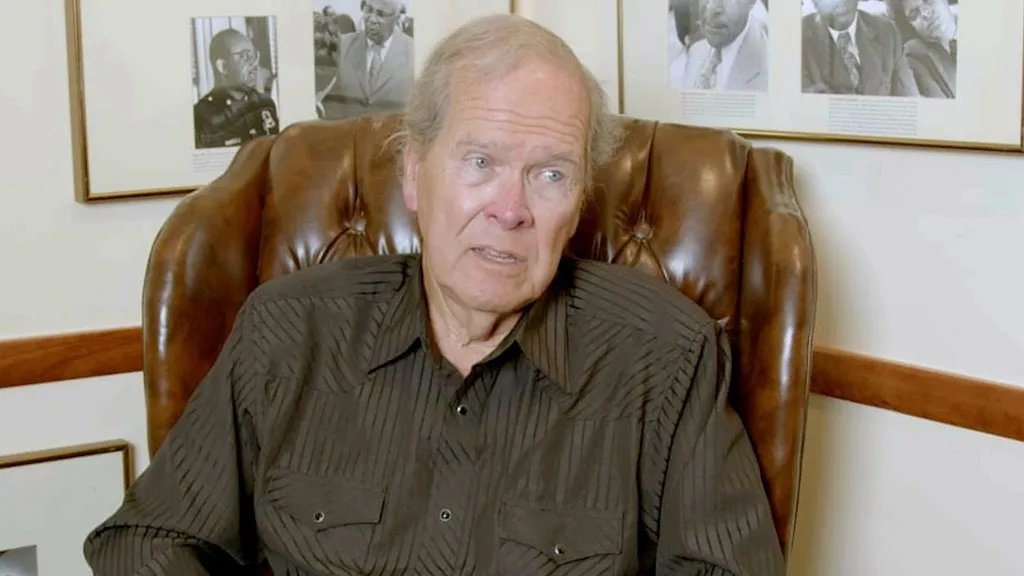
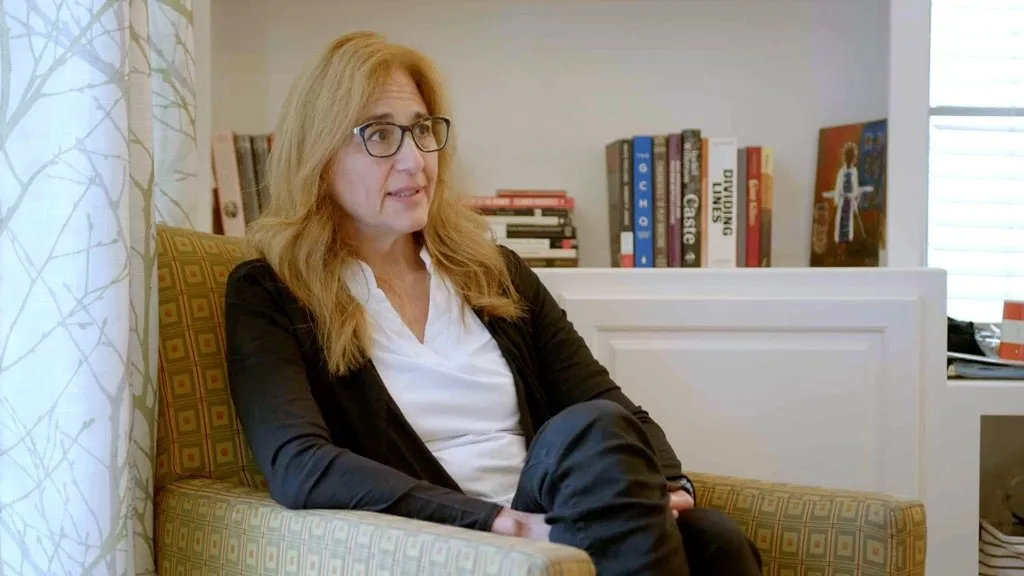
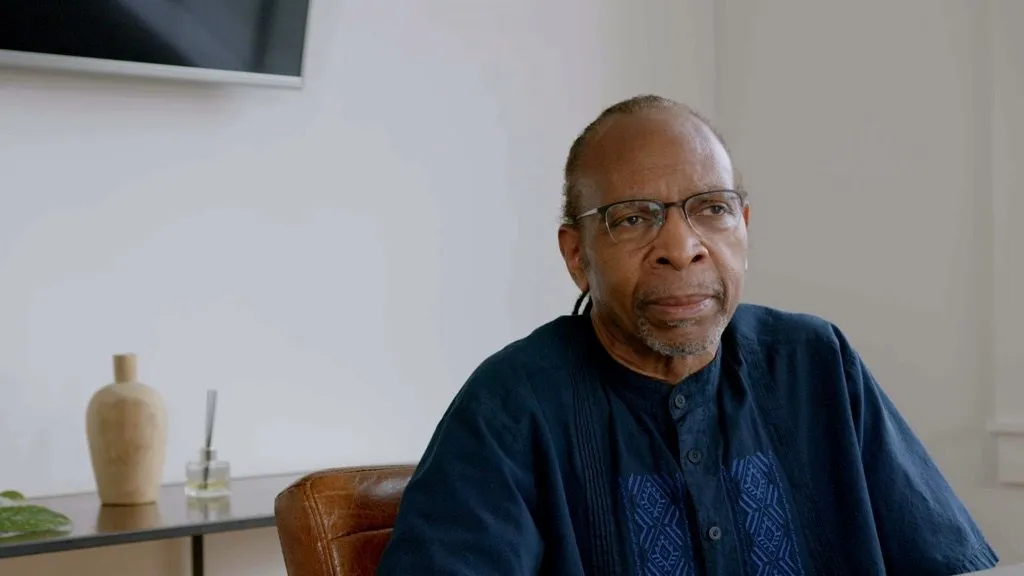
Historians, scholars, and community leaders.
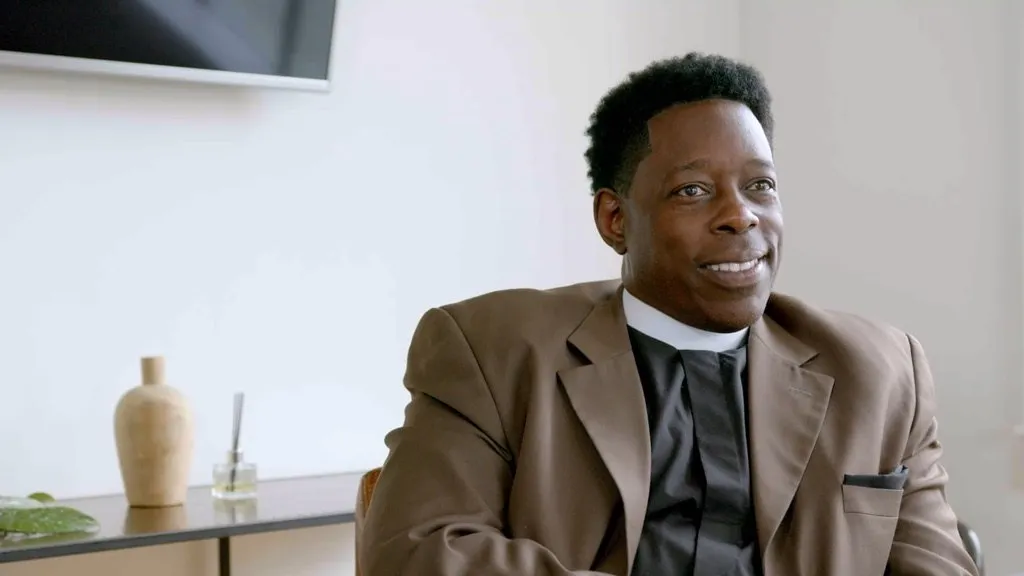
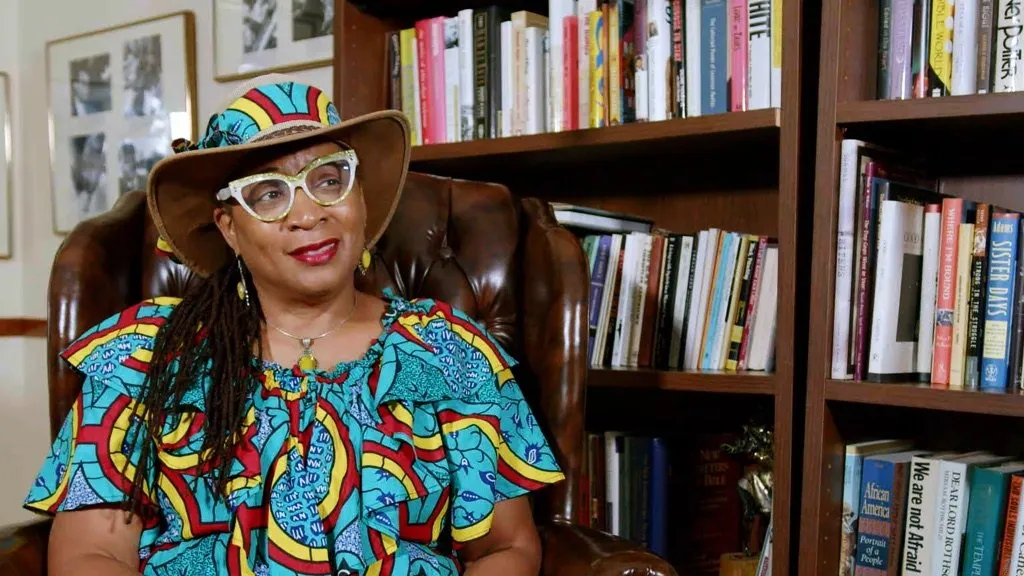
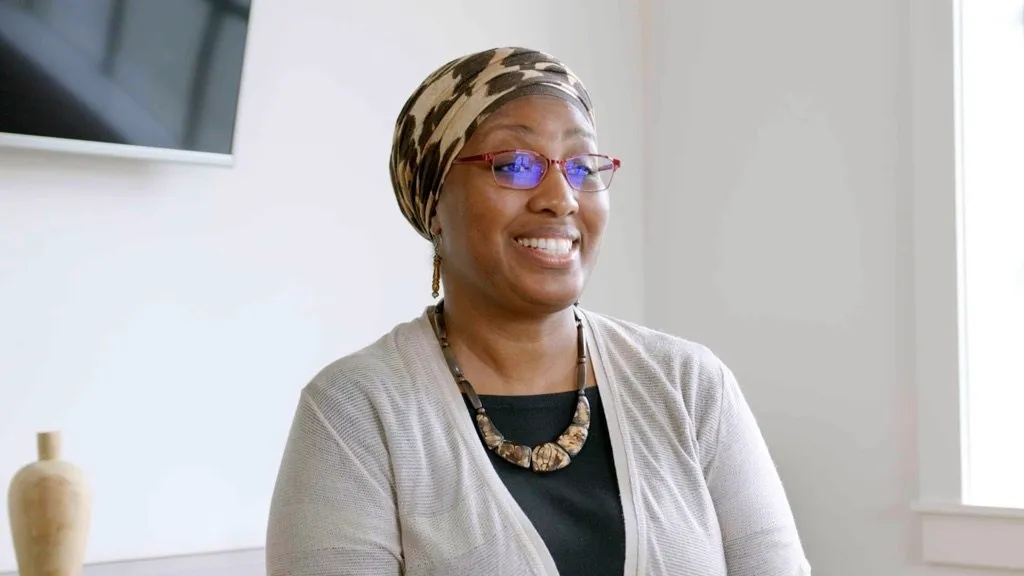
World premiere
September 24th
2026
Opening night of the three-day Mini-Conference. Covered by Mini-Conference registration.
- Time
- 6:30 PM to 8:30 PM
- Venue
- All Saints Episcopal Church
- 634 W Peachtree St NW, Atlanta, GA 30308
- Part of
- Remembrance Week September 20-26, 2026
- The 120th anniversary. Theme: Truth, Reconciliation, and Action.
Help finish it, and get it in front of audiences.
Never Again raises funds separately from the Coalition's commemoration campaign. Giving to the film pays for completion and distribution. For screening requests, press, or anything else, write to us.